
Is Blogging Still Relevant in 2026? A Realistic Look at What Still Works
6 min read
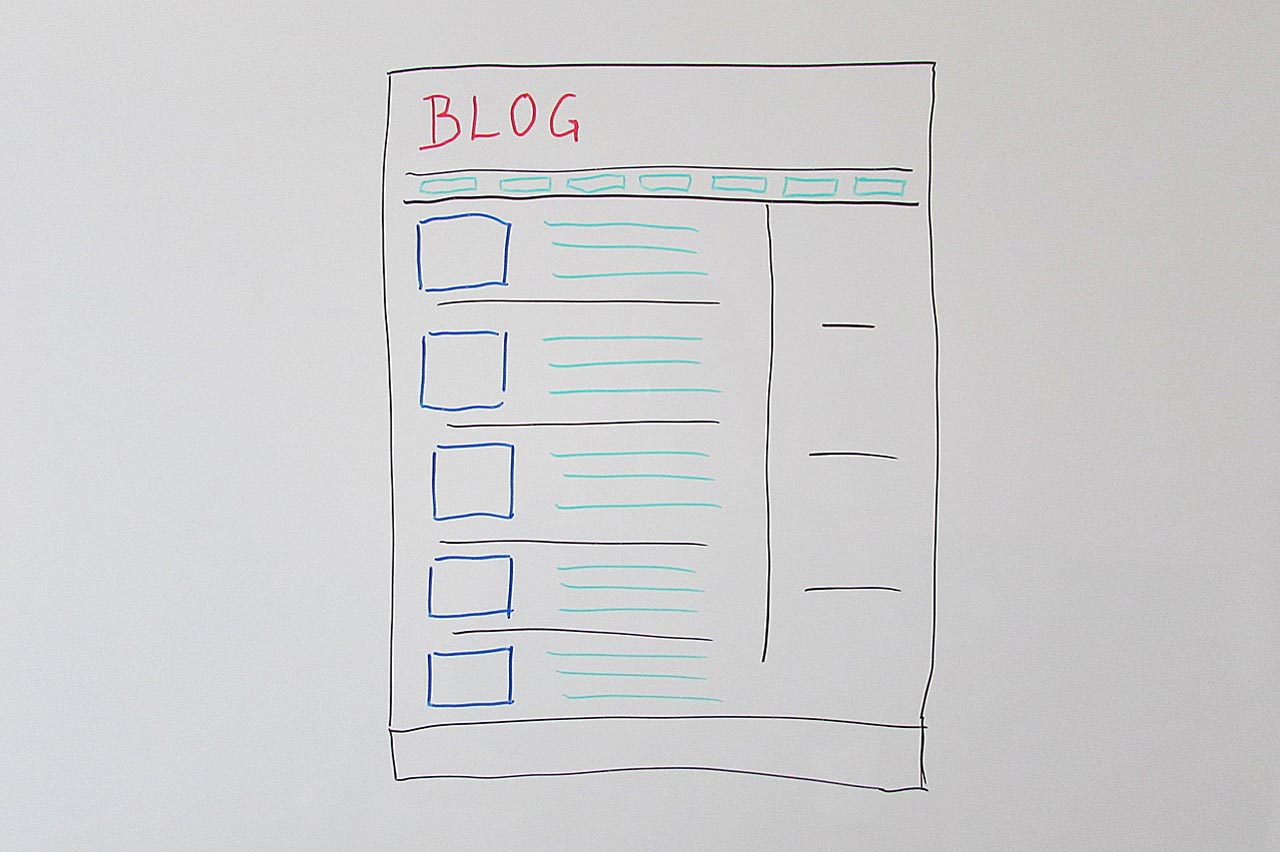
I started my personal website last year and published a couple of blog posts in Indonesian. Wasn’t very serious about it, so I am not surprised it did not perform very well in search engines (did it mainly for this to be honest). Recently though, I’ve thought about writing a couple blog posts in English, so here we go.
Talk about blogging, in big 2026, the question “is blogging still relevant in 2026” seems like a valid one. Blogging feels indeed quiet compared to social media like Instagram or TikTok, yet it refuses to disappear. However, instead of doubling down on it, I think it’s best to understand why some people think blogging is already dead.
Is Blogging Still Relevant in 2026?

If you need a quick answer, then yes, blogging is still relevant in 2026. One simple proof is that many business websites, whether B2B companies, agencies, or service providers, still maintain an active blog section on their site.
Do people actually read every blog post in detail? Probably not. If you look at real user behavior, the percentage might even feel low, but that does not mean blogs are useless. They still help with visibility, credibility, and search engines, which is exactly why businesses keep investing in websites that have a blog section.
That is why the answer makes sense to me. People may not actually read it, but they support the bigger picture, and that alone keeps them relevant today.
Why Some People Say Blogging Is Dead
The biggest reason is how people consume digital media these days. People spend more time on social media platforms, short videos, and messaging apps than scrolling through blog pages.
Another reason is saturation. There are millions of blogs online, and AI tools can now generate content in seconds, which makes blogging feel crowded and less special.
Some also expect fast results. When a blog does not get traffic or profit quickly, it is easy to assume the whole thing no longer works.
The Real Reasons Blogging Still Matters in 2026
Search Engines Still Depend on Blogs
Search engines still rely heavily on written content. Blogs are one of the best ways to explain ideas clearly, answer specific questions, and rank for long-tail searches.
When people want detailed answers, they often end up on blog pages, not short social posts. This makes blogging still very useful for SEO, but the rules and competition are stricter.
Blogs are especially effective for long-tail or specific searches and niche topics. YouTube videos and podcasts ranks in search engines, but I don’t think people who create content on these mediums do it mainly for search engine.
AI? It Did Not Kill Blogging, It Changed It
AI made content easier to create, but it also raised the bar. Generic articles are easier to spot and easier to ignore.
Blogs that show personal insight, real examples, and clear opinions stand out more now. AI can help, but it cannot replace real human insights.
Blogs vs Other Content Formats
Social media content moves fast and disappears quickly. Blog content moves slower but tends to last much longer.
A single social post may spike for a day, while a well-written blog post can attract readers for years. Blogs also allow people to skim, revisit, and search for specific information more easily than a YouTube video or a podcast.
Reasons to Start Blogging Anyway
Whether you are running a business or you are simply someone who enjoys writing and wants to publish your thoughts online, blogging can still make sense today.
Everyone start blogging for different reasons, but one thing is clear, the result of it may not always be immediate. But over time it may be worth it. And blogging tends to work best when the following conditions apply.
You Enjoy Playing the Long Game
Blogging rewards patience. Posts can slowly gain traffic over months or even years. If you enjoy building something that rewards late, blogging fits that mindset well.
You Want to Build Authority in Search Engines
Blogs are still one of the strongest ways to build topical authority. Writing consistently about the same subject helps search engines and people understand what you stand for.
Over time, this authority can open doors to opportunities beyond ads, such as speaking, consulting, or collaborations.
You’re Not Expecting Quick Results
Blogging is not for everyone. If your main goal is quick money, blogging will likely frustrate you.
It takes time to build traffic, trust, and visibility. Ads and affiliate income usually come much later, not in the first few months.
Where Blogging Works Best Today
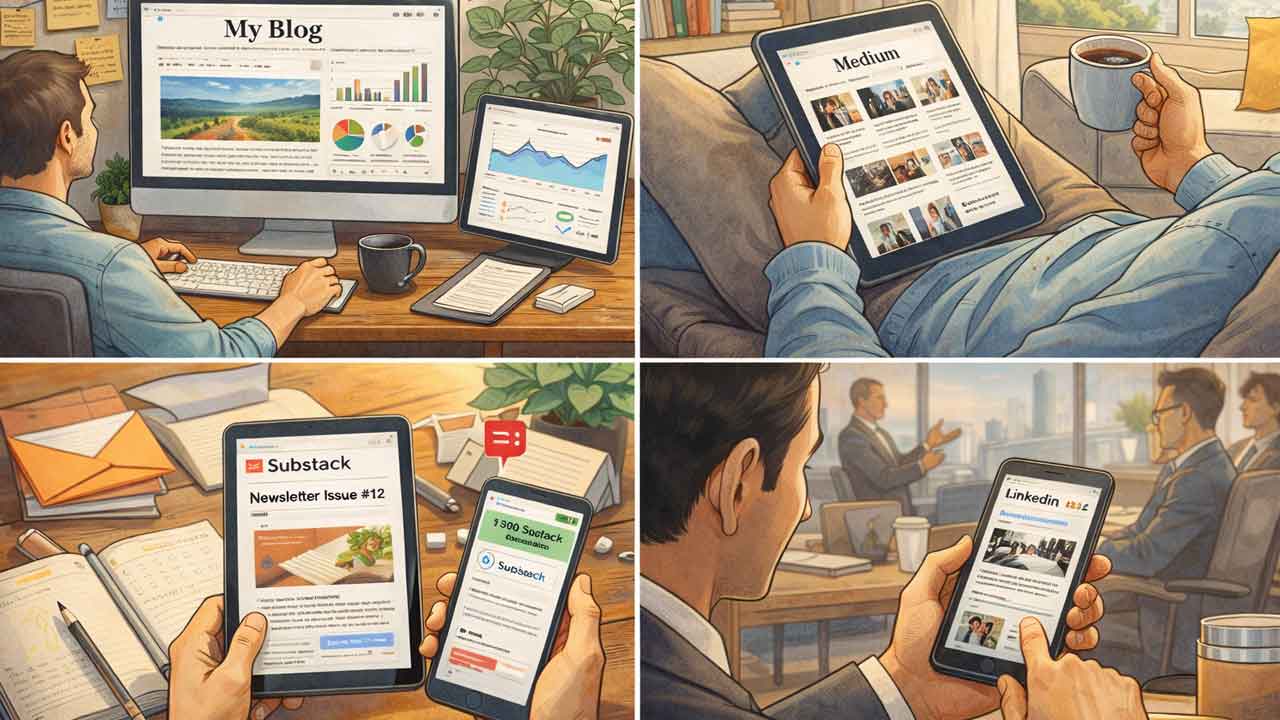
Blogging is no longer limited to personal websites. Traditional options like personal sites and CMSs like Blogger and WordPress still exist, but newer platforms may have changed the landscape, especially in how people publish and grow their audience today.
1. Your Own Website
Your own website gives you full control over the customization of your content, design, and monetization. You are not dependent on platform rules or algorithm changes to reach your readers.
This option works best if you are playing the long game and care about branding, SEO, and ownership. Growth can be slower at first, but the benefits may follow over time.
And of course, you’d have to build your own website. Looking for a cool way to build a website? I wrote a medium article about this sometime ago, have a read.
2. Medium
You’re probably already familiar with this one. Medium gives you access to an existing audience that already enjoys reading blog-style content. It can be a good place to test ideas without worrying about the results early on.
Unlike a personal website, ownership may feel limited. You’ll benefit from Medium’s reach, but you do not fully control how or when readers see your content.
And the subscription paywall might be annoying. If you’re not a member, forget making money, you can’t even read what some people wrote there.
3. Substack
Substack for bloggers combines blogging with email newsletters, which makes it easy to build a direct relationship with your audience. The paid subscription feature is quite interesting too.
The downside of this platform might be how segmented it is, not very popular where I live either. Substack would work well if you want to do the grind and build your audience from scratch.
4. LinkedIn Blogs (B2B Authority)
LinkedIn blogging works particularly well in professional and B2B spaces. Writing articles there helps build credibility and visibility within your industry.
This option is ideal if your audience is already on LinkedIn and your topics relate to business, careers, or expertise-driven services.
Final Thoughts
Blogging won’t die in 2026, but blogging without a plan? Surely. If you are willing to be consistent, focus on real value, and accept that results take time, blogging still works. So the question isn’t really about whether blogging is relevant, but it’s about how much and how you put the effort into it.